Selected Recent Publications:
Pazhoohi et al. (2023). Neural correlates and perceived attractiveness of male and female shoulder-to-hip ratio in men and women: An EEG Study. Archives of Sexual Behavior, 52(5), 2123-2141.
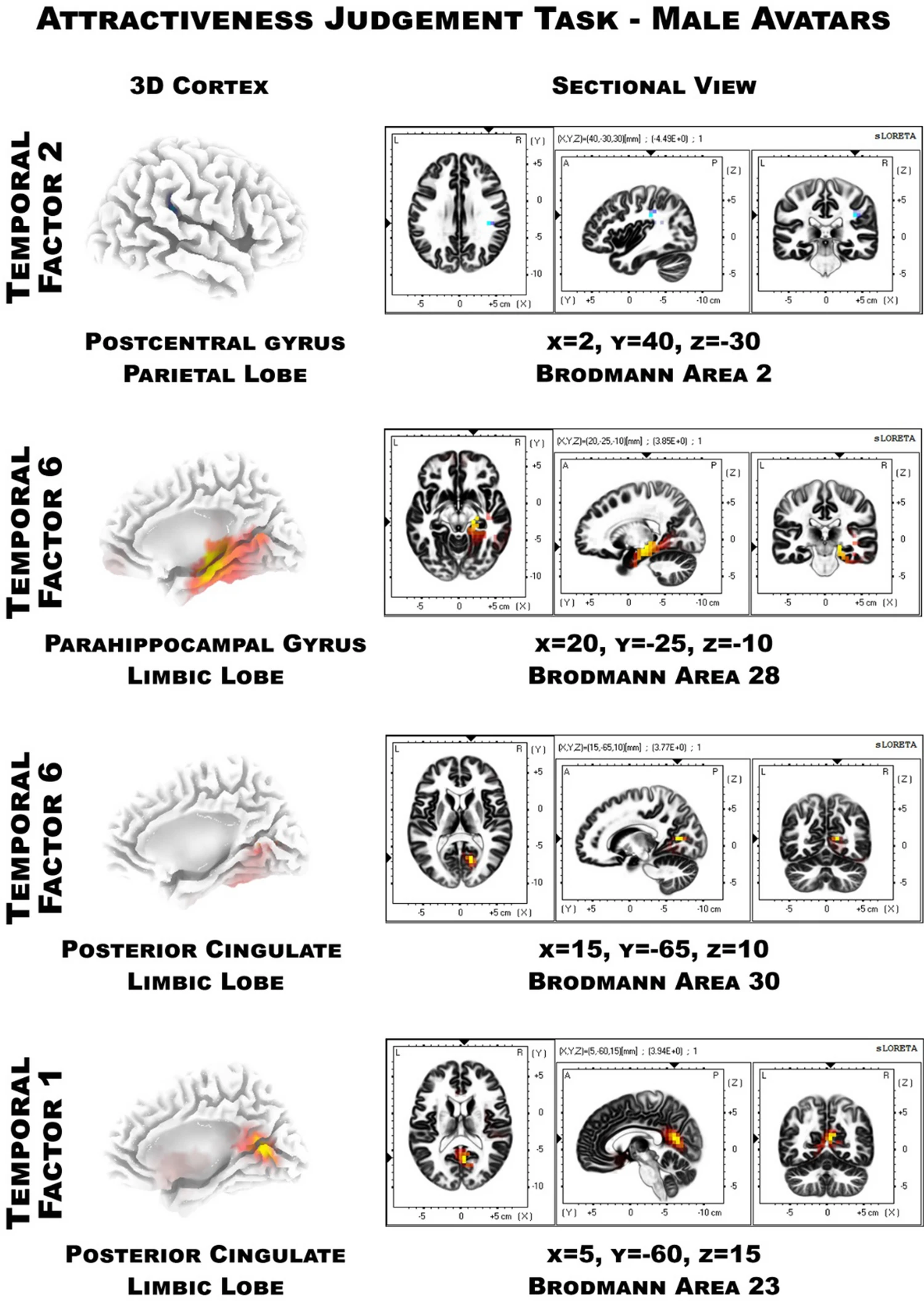
This study found that larger shoulder-to-hip ratios (SHR) in male body forms are perceived as more attractive and activate specific brain regions, while SHR variations in female forms did not affect neural responses.
Pazhoohi et al. (2023). Give Me Space: Sex, Attractiveness, and Mind Perception as Potential Contributors to Different Comfort Distances for Humans and Robots. Journal of Environmental Psychology, 90, 102088.
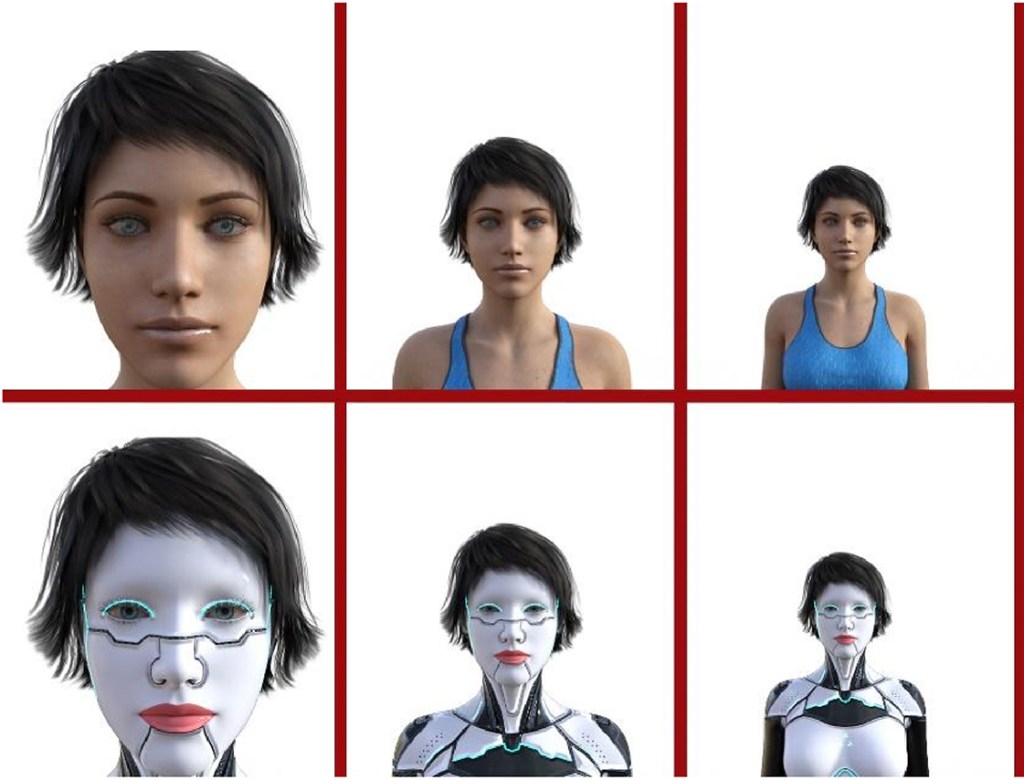
This research showed that individuals report less comfort for interaction with robots than humans. Mind perception of the robots compared to humans as potential contributors to this difference.
Pazhoohi, F., & Kingstone, A. (2023). Eyelash length attractiveness across ethnicities. Scientific Reports, 13(1), 14849.
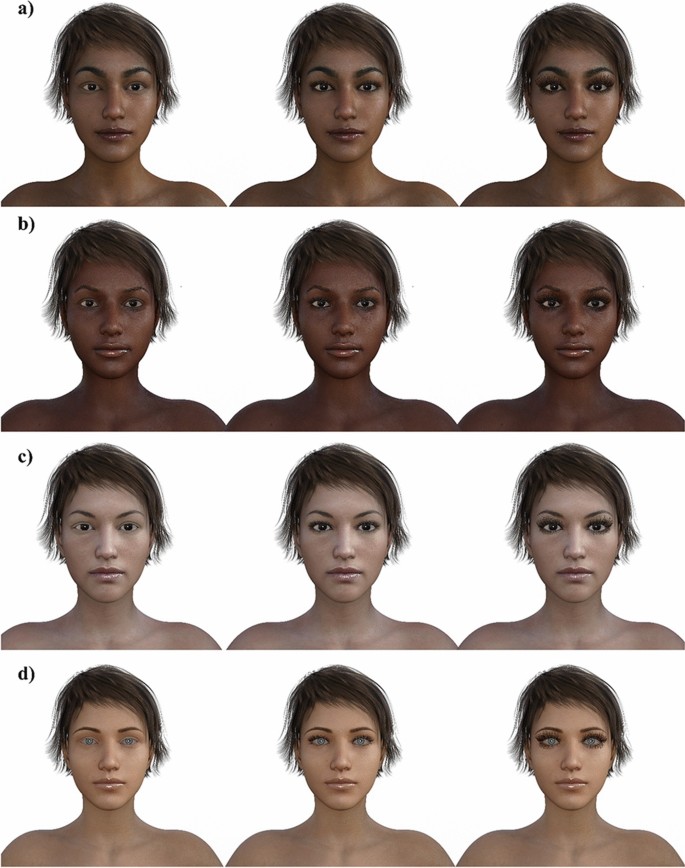
This study found a universal preference for eyelash length around one-third the eye width across ethnicities, with a slight preference for longer lashes on Black women, potentially due to cultural or perceptual factors.
Pazhoohi, F., & Kingstone, A. (2022). Unattractive faces are more attractive when the bottom-half is masked, an effect that reverses when the top-half is concealed. Cognitive Research: Principles and Implications. 7, 6.

In this study we investigated the effect of facial masks on the perceptions of facial attractiveness. Our results show that wearing face masks increase the perceived attractiveness of less attractive faces in both young and old people, while face masks do not affect highly attractive faces.
 Farid Pazhoohi